
Building a modern web or mobile application usually requires several backend services, including a database, authentication, file storage, APIs, and server-side functions. Supabase brings many of these tools together in one developer-focused platform built around PostgreSQL.
But is Supabase actually worth using for your next project? In this Supabase review, we’ll look at its key features, pricing, ease of use, pros and cons, and who can benefit most from the platform.
What Is Supabase?

Supabase is an open-source backend development platform that provides a fully managed PostgreSQL database along with tools for authentication, storage, APIs, realtime functionality, and server-side development.
Instead of building a backend from scratch, developers can use Supabase to quickly create the infrastructure needed for applications, SaaS products, websites, dashboards, and other digital products.
Because Supabase uses PostgreSQL as its foundation, developers can work with a familiar relational database while also getting additional backend services through the same platform.
What Can You Do With Supabase?
PostgreSQL Database
Every Supabase project includes a full PostgreSQL database. Developers can create tables, relationships, queries, and database functions through the dashboard or SQL editor.
This makes Supabase useful for applications that need structured and scalable data management.
Authentication
Supabase Auth provides tools for user registration and login. Developers can implement authentication features and use Row Level Security to control access to application data.
Storage
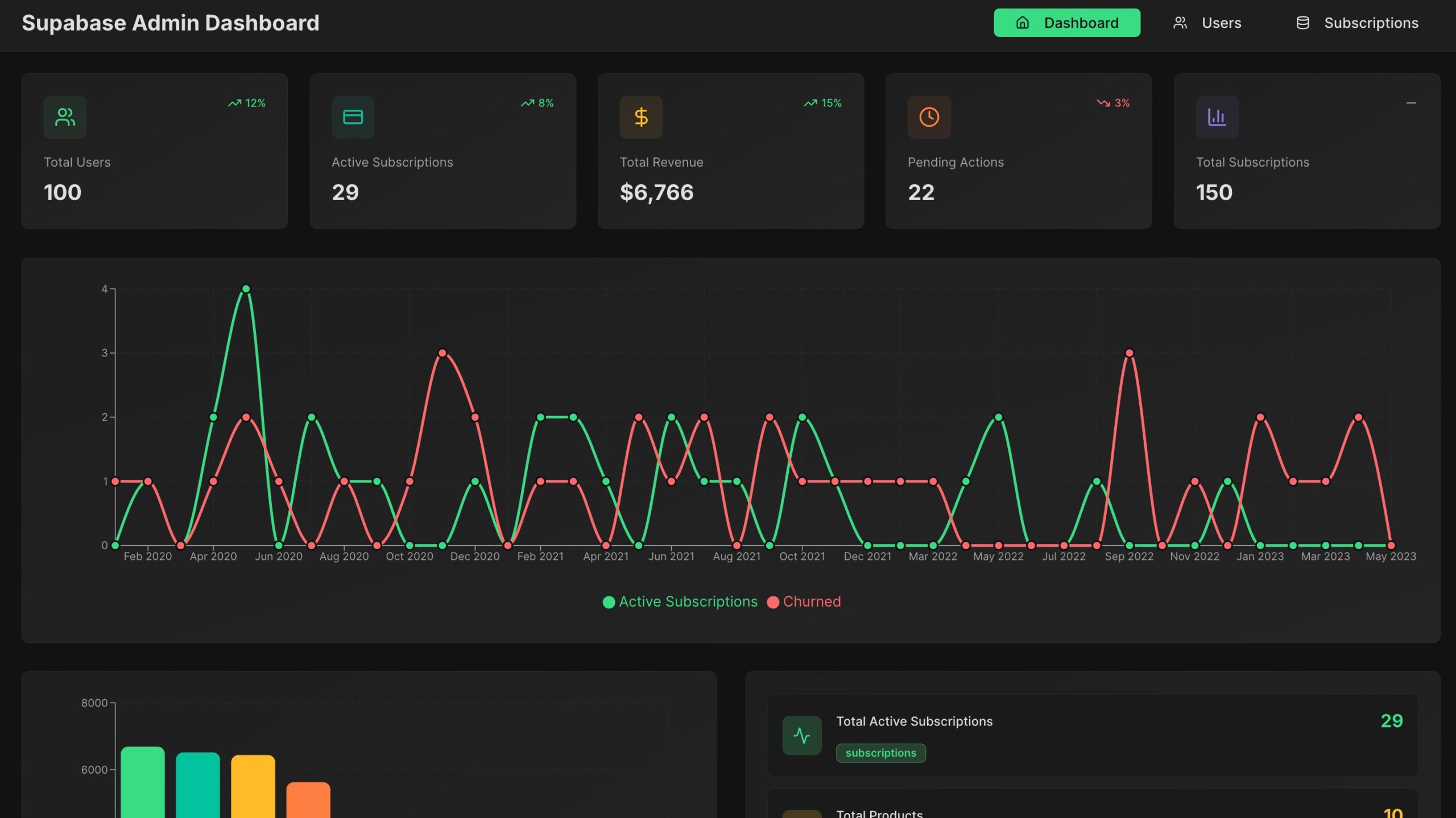
Supabase Storage allows developers to store and serve files such as images, videos, documents, and other user-generated content.
Realtime and Edge Functions
Realtime features allow applications to synchronize data as changes happen, which can be useful for chat applications, multiplayer experiences, dashboards, and collaborative tools.
Edge Functions allow developers to run server-side code without managing traditional servers.
Supabase Pricing
Supabase offers several plans designed for different types of projects.
- Free: $0/month, with 500 MB database size per project, 50,000 monthly active users, 1 GB file storage, and usage quotas for several services.
- Pro: Starts at $25/month and includes higher usage limits, daily backups, 8 GB disk size per project, 100,000 monthly active users, and additional features.
- Team: Starts at $599/month and adds features such as SSO, advanced access controls, longer backups and log retention, and compliance options.
- Enterprise: Custom pricing for organizations with larger-scale requirements.
Is Supabase Easy to Use?
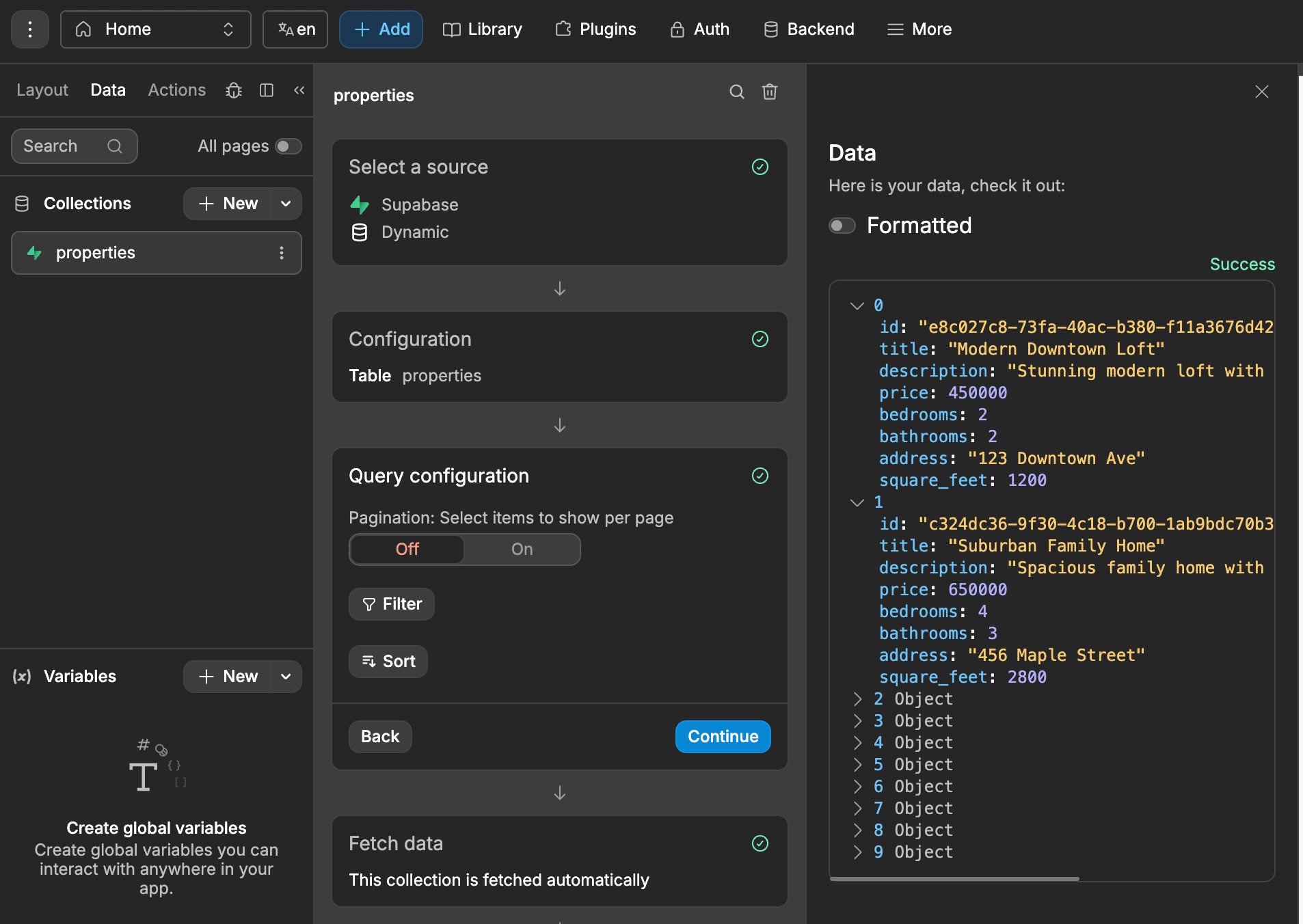
Supabase is designed with developers in mind, so people familiar with databases, APIs, and web development will generally find the platform straightforward.
The dashboard provides visual tools for managing databases, authentication, storage, and project settings, while developers can also work directly with SQL and APIs.
However, beginners without backend or database experience may need some time to understand PostgreSQL, security policies, API configuration, and usage-based billing.
Pros and Cons
Pros
- Full PostgreSQL database
- Built-in authentication and storage
- Realtime data capabilities
- Edge Functions for backend logic
- Developer-friendly dashboard
- Open-source ecosystem
- Free plan available
- Suitable for startups and growing applications
Cons
- Requires some technical knowledge
- Usage-based costs can increase as projects scale
- Advanced enterprise features can be expensive
- Large projects may require careful resource management
Who Is Supabase Best For?
Supabase is particularly useful for developers, startups, SaaS businesses, indie hackers, agencies, and teams building modern web or mobile applications.
It can also be a good option for developers who want PostgreSQL without having to manually configure and maintain every backend component themselves.
Is Supabase Worth It?

Supabase can be a strong backend option if you want a PostgreSQL-based platform with authentication, storage, APIs, realtime functionality, and server-side tools in one place.
The free plan makes it easy to experiment with projects, while the Pro plan provides considerably more resources for production applications. However, developers should pay attention to usage limits and compute costs as their applications grow.
Final Verdict
Supabase combines a powerful PostgreSQL database with the backend services developers commonly need when building modern applications. Its combination of database tools, authentication, storage, realtime features, and Edge Functions can simplify backend development considerably.
For developers who are comfortable with PostgreSQL and want an integrated backend platform, Supabase is worth considering.
Frequently Asked Questions
Is Supabase free?
Yes. Supabase has a Free plan with limited database, storage, bandwidth, and usage quotas.
Is Supabase good for beginners?
It can be, but some knowledge of databases and web development will make the learning process much easier.
Is Supabase better than Firebase?
Supabase and Firebase take different approaches. Supabase is built around PostgreSQL and relational data, while Firebase uses Google’s NoSQL-focused backend ecosystem. The better option depends on your application’s requirements.
Can Supabase handle large applications?
Yes. Supabase provides paid plans, scalable compute options, and additional resources designed for applications that grow beyond small projects.
What programming languages work with Supabase?
Supabase provides client libraries and APIs that can be used with popular web and mobile development technologies, making it flexible for different application stacks.